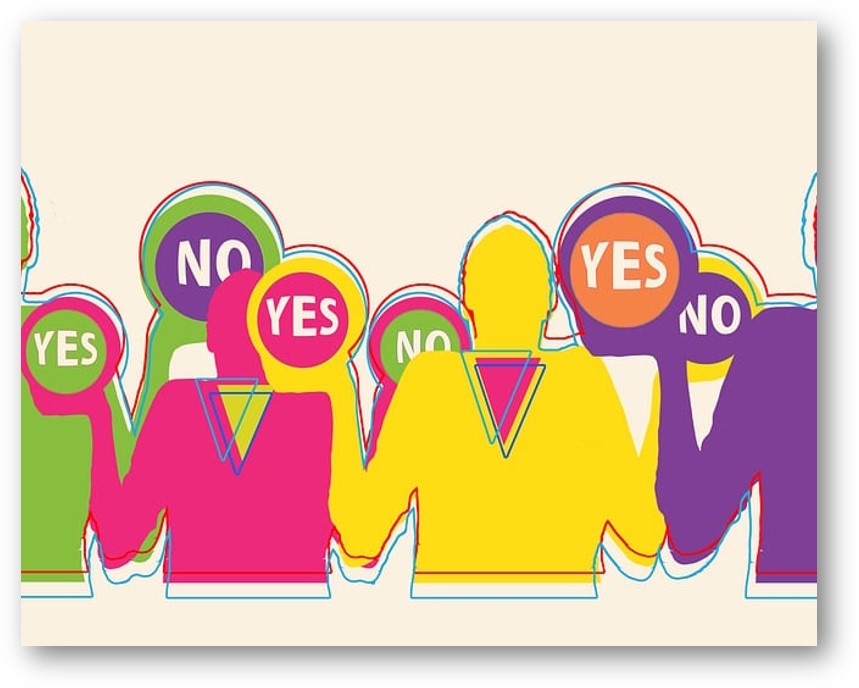
Beyond Consent Scripts: A Psychologically Safe Approach
Consent is often misunderstood as a one-time verbal agreement that is typically focused on sexual situations. However, this narrow view fails to reflect the everyday realities of people with disability. This talk will highlight a PhD project that aims to explore accessible consent education and psychological implications. The project began with what best practice consent education should look like when it is grounded inclusive practice. Guided by an expert stakeholder group, the project has defined best practice consent and highlighted the need for approaches that are accessible, inclusive, and community-driven – designed with people with disability, not just for them. Best practice consent requires more than theoretical knowledge or simple “yes or no” scripts for both daily consent and informed consent required by health professionals. Instead, it builds practical skills in communication, emotional regulation, boundary-setting, and decision-making. Importantly, the group noted the requirement that the work is guided by core psychological and ethical principles: trauma-informed, co-designed, sex-positive, and evidence-based. These principles align closely with key domains in psychological science — including developmental, community, and health psychology — and challenge practitioners to move beyond deficit-based models. By centring lived experience and psychological safety, this research invites a broader understanding of consent and offers new directions for how consent can be conceptualised within and outside therapy, education, research, and generate a consent culture that upholds dignity, autonomy, and justice across the lifespan.


 Accessible Consent Education
Leave a comment